
 Medical Modular Storage

 English
 Español
 Portugues
 Français
 Deutsch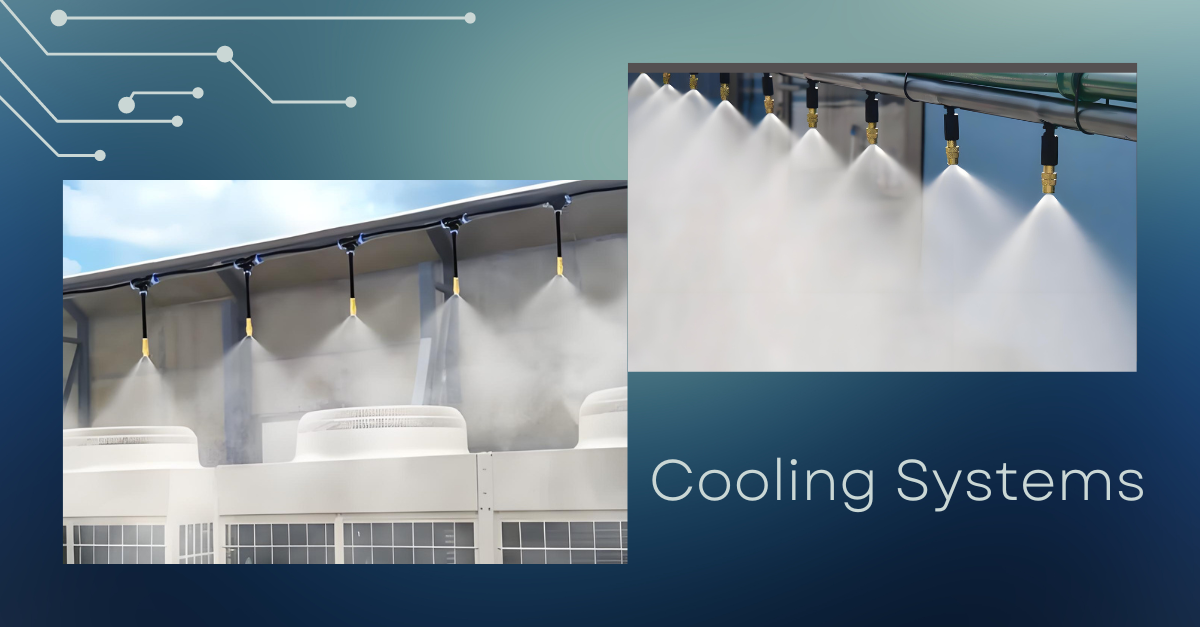
Selecting the appropriate cooling nozzle model in industrial cooling systems ensures efficient cooling and equipment protection. Here are some practical steps and considerations to help you choose the right cooling nozzle model.
1. Determine Cooling Needs
Temperature Control: Identify the temperature range you need to reduce, which will affect the nozzle’s pressure and flow requirements.
Coverage Area: Assess the size of the area that needs cooling to determine the nozzle’s coverage range.
2. Understand Nozzle Types
Full Cone Nozzle: Suitable for large-area cooling, providing uniform water coverage.
Hollow Cone Nozzle: Suitable for situations where the center area does not need cooling, with a ring-shaped spray pattern.
Atomizing Nozzle: Suitable for high cooling efficiency and small-area cooling.
3. Check Compatibility
Water Pressure Matching: Ensure the nozzle is compatible with your system’s water pressure to avoid damage or inefficiency due to over or under-pressure.
Connection Sizes: Verify that the nozzle’s connection size matches your existing piping system.
4. Material Selection
Stainless Steel: Heat and corrosion-resistant, suitable for most industrial environments.
Brass: Suitable for lower temperatures and less corrosive environments.
Plastic: Lightweight and lower cost, but with lower temperature and corrosion resistance.
5. Performance Parameters
Flow Rate: Choose a nozzle model that provides the required flow rate to ensure sufficient cooling capacity.
Spray Angle: Select the appropriate spray angle based on the shape and location of the cooling area.
6. Consider Maintenance
Ease of Dismantling: Choose a nozzle model that is easy to dismantle and clean to reduce maintenance time and cost.
Durability: Select wear-resistant and corrosion-resistant nozzles to extend their lifespan.
7. Cost-Benefit Analysis
Long-Term Costs: Consider the long-term operating costs of the nozzle, including energy consumption, maintenance, and replacement frequency.