 Medical Modular Storage
 English
 Español
 Portugues
 Français
 Deutsch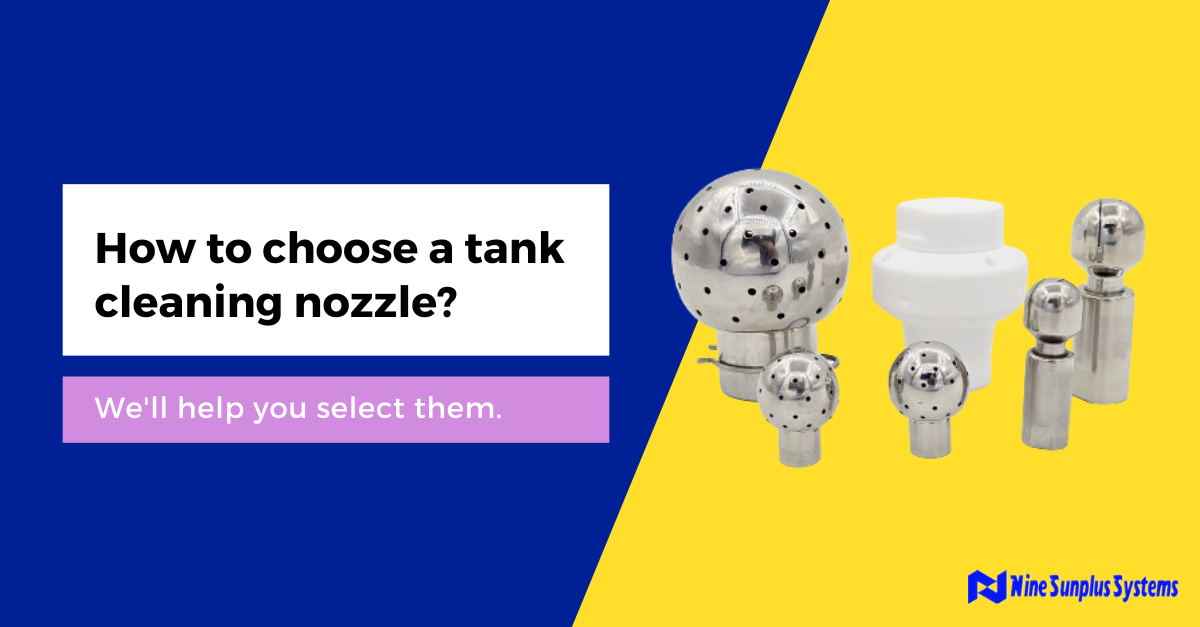
Tank cleaning nozzles are categorized into three types based on their operating principles: stationary, reactionary force, and rotary jet. The choice of nozzle will depend on the soil type, tank size, and operating principle.
Soils are classified into three categories: light, moderate, and heavy.
- Light soil: This refers to liquid residue or light powder that is not anchored to the surface and can be easily rinsed away.
- Moderate soil: Soils that are anchored to the surface require repetitive spray impact, temperature, and chemicals for removal.
- Heavy soil: This type of soil is heavily caked onto the surface, necessitating a nozzle with a longer dwell time to aid in cleaning.
For light to moderate soils, stationary or reactionary force operating principles are most effective. These nozzles can clean tanks ranging in size from 3 feet to 25 feet in diameter.
Stationary nozzles, also known as static nozzles, have no moving parts and can withstand higher temperatures. They are recommended when particulates and filtration are problematic, as they are clog-resistant.
Reactionary force or free-spinning nozzles are fluid-driven and use the spray media's reaction force to drive the rotation of the spray head.
Rotary jet or controlled rotation nozzles are best suited for heavy soils as they provide a longer dwell time on the surface for effective soil removal. The spray media flows through internal gears within the body, which rotates a series of high-impact jet nozzles through an efficient 2-axis orbital spray pattern.
Regardless of your cleaning challenge, there is a nozzle that can deliver the performance and efficiency needed to ensure your tanks are thoroughly and meticulously cleaned. By precisely matching the nozzle type to the job requirements, you can ensure that the cleaning process is both rapid and energy-efficient, while also extending the lifespan of your equipment and reducing maintenance costs.