 Medical Modular Storage
 English
 Español
 Portugues
 Français
 Deutsch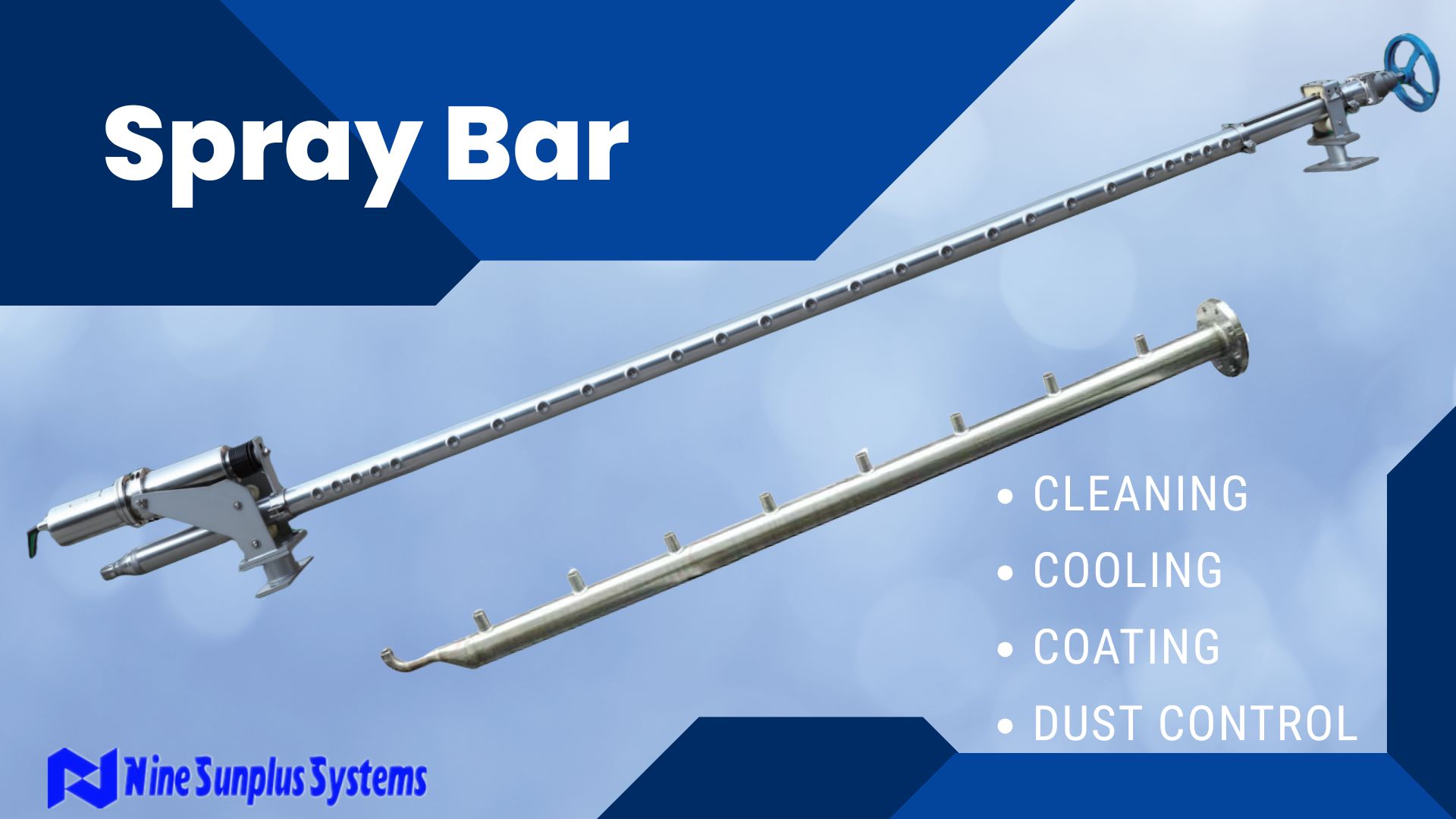
Spray bars are essential components in many industrial systems, designed to distribute liquid evenly across a surface using a series of nozzles mounted along a pipe or bar. Simple in structure but powerful in application, spray bars are used for cleaning, cooling, coating, dust suppression, and more.
What Is a Spray Bar?
A spray bar (also known as a spray boom or spray manifold) is a tubular structure fitted with multiple spray nozzles. It connects to a fluid delivery system and allows for controlled, uniform spraying across a target area. Spray bars can be mounted in fixed positions or integrated into moving systems, depending on the application.

Key Components
A typical spray bar system includes:
Main pipe or body – Made from stainless steel, PVC, or other corrosion-resistant materials, this serves as the structural base.
Spray nozzles – Installed along the bar to control spray pattern, flow rate, and droplet size.
Mounting and connectors – Allow for secure installation and easy integration with existing piping or equipment.
Optional Accessories – Filters (to prevent clogging) and pressure regulators (for consistent flow).
Common Applications
Spray bars are widely used across various industries, including:
Industrial cleaning – Washing conveyor belts, filter screens, or machinery surfaces.
Cooling systems – Rapid cooling of metal, glass, or other heated materials in manufacturing lines.
Dust suppression and humidification – In mining, textiles, agriculture, and warehouses.
Coating and lubrication – Applying liquids such as oils, coatings, or adhesives in food processing, printing, and packaging.
Key Factors to Consider When Choosing a Spray Bar
When designing or selecting a spray bar for your system, the following factors should be taken into account:
- Spray nozzle type and pattern – Choose between flat fan, full cone, hollow cone, or other patterns based on your process needs.
- Nozzle spacing and coverage – Affects spray uniformity and surface coverage.
- Operating pressure and flow rate – Determines spray intensity and system performance.
- Ease of maintenance – Removable nozzles and accessible designs simplify cleaning and replacement.
- Material compatibility – Select materials that can withstand the fluid type and operating environment (e.g., chemicals, temperature, pressure).
Tips for Optimal Performance
Regular Maintenance – Clean nozzles to prevent clogging and inspect for wear.
Use Filtration – Install inline filters to protect nozzles from debris.
Adjust for Efficiency – Optimize nozzle angles and spacing to minimize waste.
Case Study: Improving Efficiency in a Food Processing Plant
Challenge:
A frozen food manufacturer struggled with uneven coating application on their conveyor belts, leading to product waste and frequent shutdowns for cleaning. Their existing spray system had clogged nozzles and inconsistent coverage.
Solution:
A custom stainless steel spray bar was installed with:
✔ Anti-clog full-cone nozzles (for even oil distribution).
✔ Adjustable mounting brackets (to fine-tune spray angle).
✔ Inline filtration (to prevent debris buildup).
Results:
- 30% reduction in oil usage (due to precise application).
- Fewer production stoppages (self-cleaning nozzles reduced maintenance).
- Improved product quality (consistent coating minimized waste).
Spray bars are a reliable and versatile solution for controlled liquid distribution in industrial settings. Whether you're looking to improve process efficiency or product quality, selecting the right spray bar system can make a significant difference.