
 Medical Modular Storage
 English
 Español
 Portugues
 Français
 Deutsch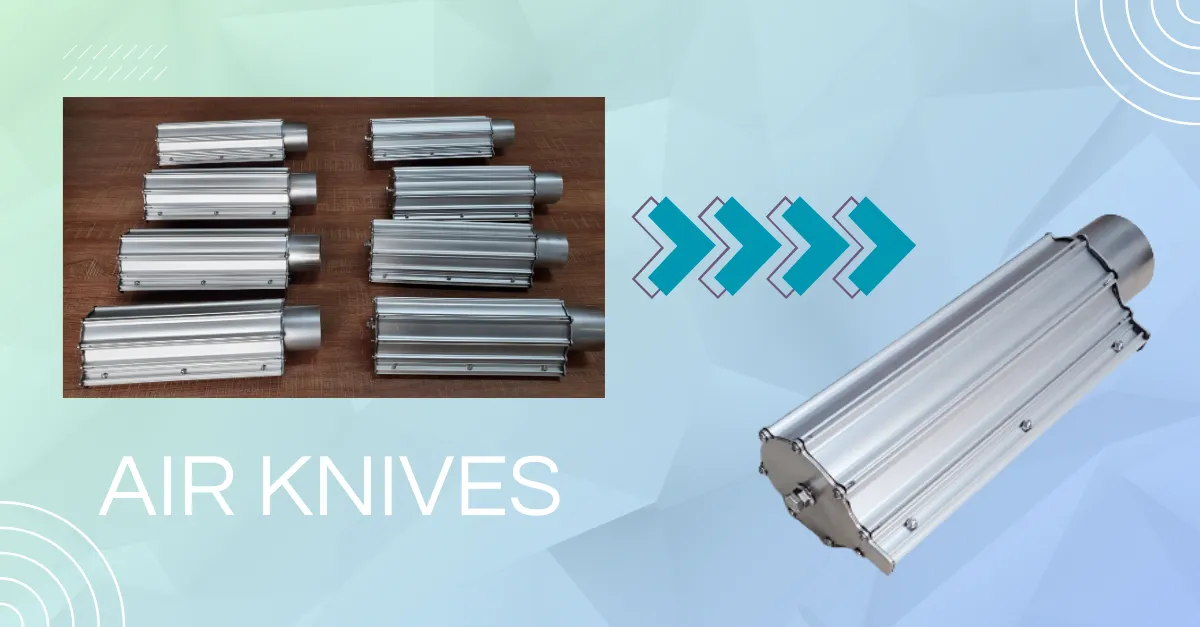
In mining, where efficiency, safety, and cost control are critical, air knives have become indispensable. Though not always visible, their impact on productivity and workplace safety is substantial.
What Are Air Knives and How Do They Work?
Air knives use compressed air to generate a high-velocity airstream for cleaning surfaces, removing debris, and aiding material separation. Unlike traditional air blowers, they provide precise and efficient airflow, making them cost-effective for mining applications.
|
Applications of Air Knives in Mining |
|
|
Conveyor Belt Cleaning |
Prevents dust buildup, ensuring smooth material transport. |
|
Ore Processing |
Enhances sorting efficiency by separating valuable minerals from waste. |
|
Drilling Operations |
Keeps equipment dry and dust-free, improving precision. |
|
Underground Mining |
Reduces moisture hazards, improving worker safety. |
|
Equipment Maintenance |
Cleans mining tools efficiently, extending lifespan. |

Key Benefits of Air Knives in Mining
1. Enhanced Safety and Cleanliness
Mining generates dust and debris that compromise air quality and damage equipment. Placed along conveyor belts, chutes, and loading stations, air knives disperse airborne particles, reducing wear on machinery, lowering maintenance costs, and creating a safer work environment.
2. Efficient Material Separation
One of the biggest challenges in mining is sorting valuable minerals from waste. Air knives use targeted airflow to remove lighter debris while heavier ores continue through processing, improving sorting accuracy and reducing reliance on manual labor.
3. Water and Moisture Management
Moisture causes corrosion and electrical failures. Air knives dry surfaces and equipment in real-time, preventing rust and reducing electrical hazards, making them valuable in humid underground mines.
4. Energy Efficiency and Cost Savings
Air knives consume less energy than traditional drying methods, reducing operational costs and environmental impact. They lower maintenance expenses and downtime by minimizing dust buildup and extending equipment life.
Air knives enhance efficiency, safety, and cost-effectiveness in mining. From dust control to material separation and moisture management, they are a valuable asset. As the industry prioritizes sustainability and operational efficiency, air knife technology will continue to grow in importance.